Portrait of a Sumatran orangutan in the forest
Indonesia · North Sumatra

Bukit Lawang

A village of bamboo bridges and riverside guesthouses on the edge of one of the last forests where wild orangutans still live. You walk in with a guide in the morning and, most days, something orange is looking back at you by lunch.

Photo via Pexels
Overview

The door to the Leuser

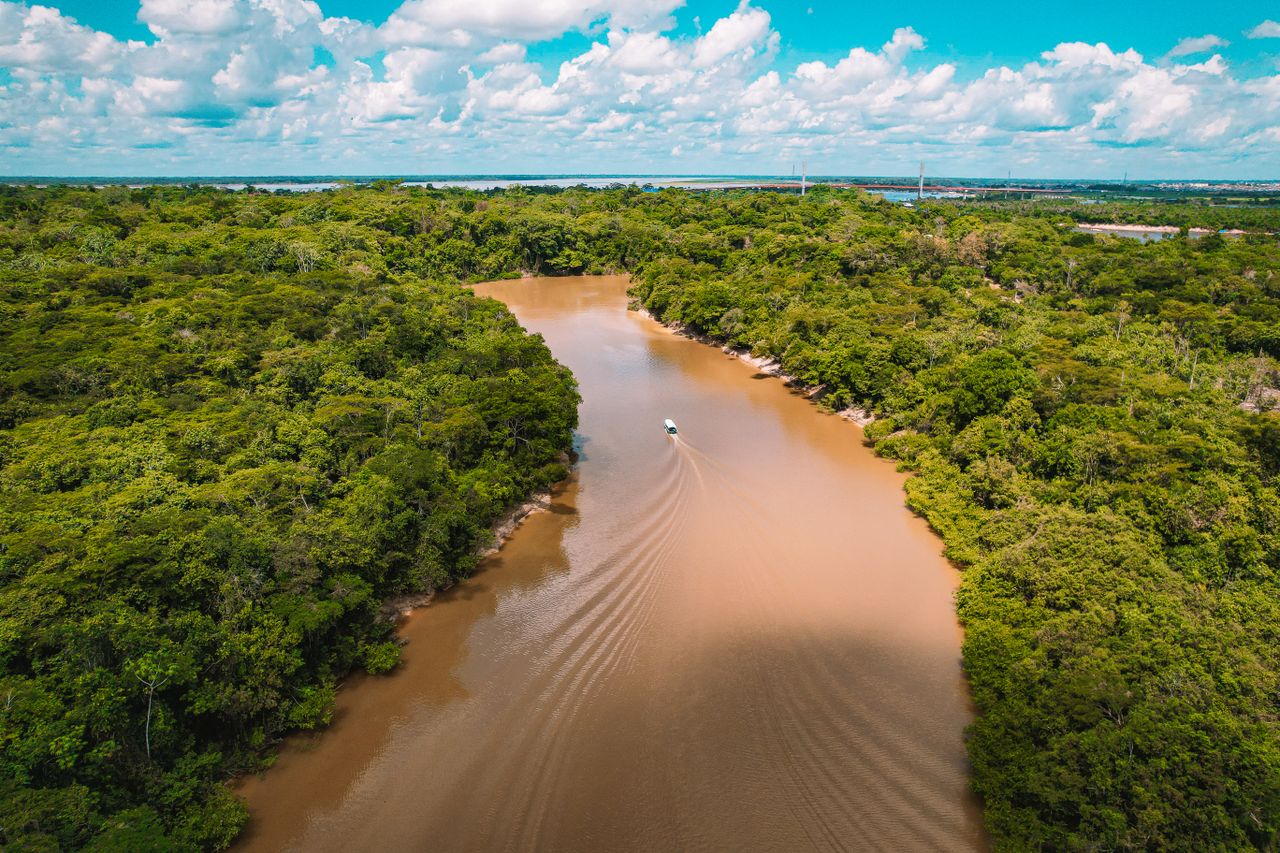
Bukit Lawang, "the door to the hills", sits where the Bohorok river leaves the Gunung Leuser National Park, three to four hours north-west of Medan. The park is the core of the Leuser Ecosystem, 2.6 million hectares of rainforest that is the only place on earth where orangutans, tigers, elephants and rhinos still share a habitat.

An orangutan rehabilitation centre opened here in 1973 and released animals back into the forest for three decades; their descendants, a semi-wild population of a couple of hundred, still live within a day's walk of the village alongside fully wild apes. That is why sightings here are as close to reliable as wild orangutans get. A flash flood in November 2003 destroyed the village and killed more than 200 people; it was rebuilt along the river, lower-key and more careful, and the guesthouses you stay in date from that recovery.

Two nights is the minimum: arrive, trek the next day, leave the day after. Three or four lets you sleep in the jungle, float home down the river and add the elephants at Tangkahan.

Aerial view of a river bend through dense forest in Sumatra
The villageOne lane of guesthouses along the Bohorok, bamboo suspension bridges, the river for swimming. Everything is on foot.
Gunung LeuserThe national park across the river: orangutan treks, jungle camps, the feeding-platform hill and the deep forest beyond.
TangkahanTwo hours by 4WD: the elephant patrol unit, river bathing, hot springs and a quieter stretch of the same forest.
OnwardBerastagi's volcanoes and Lake Toba, the crater lake of the Batak, six hours south. Medan for the flights and the food.
Highlights

What to do here

Six things, in roughly the order you will do them. The jungle is the point; the rest fills the days around it.

Close-up of an orangutan among leaves
The reason

Orangutan trek

A licensed guide leads you across the river and up into the forest, reading broken branches, dropped fruit and the long call of a flanged male. Day treks see orangutans on most outings; two- and three-day treks go deeper and sleep by the river. Keep ten metres back, never feed, never touch.

Orangutan trek in detail →
A group rafting down a river on inflatable tubes
River

Tubing the Bohorok

The classic end to a jungle camp: the guides lash tractor inner tubes into a raft and you float the rapids home through the gorge, past monkeys and monitor lizards on the banks. Also bookable as an afternoon from the village, upstream of the bridges. Wet, loud and the best fun on the river.

Tubing in detail →
An elephant bathing and spraying water in a river
Day trip

Tangkahan

A conservation response unit of Sumatran elephants that patrol the park boundary against poachers and loggers. Visitors help bathe them in the Batang Serangan river in the afternoon, then swim in the hot springs. Two hours each way by 4WD on a rough road; no elephant activities on Fridays, when they patrol.

Tangkahan in detail →
A river flowing through tropical forest
Easy

The Bat Cave & the rubber walk

An hour's walk from the village through rubber and cacao smallholdings to a limestone cave full of fruit bats and swiftlets; bring a torch and expect a scramble. The walk itself, past tappers at work and villagers' durian trees, is half the point.

The Bat Cave walk in detail →
A leaf monkey in a bright green forest
Village

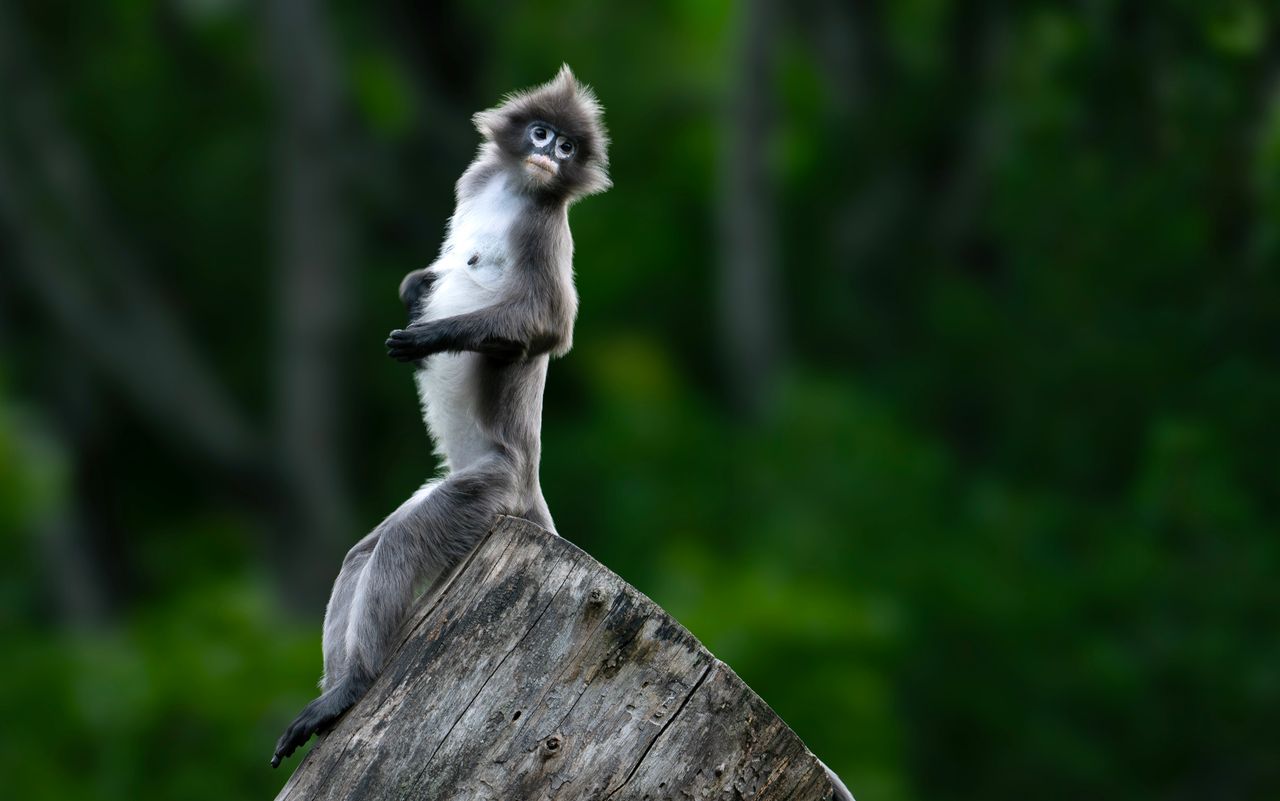
Thomas leaf monkeys at breakfast

The punk-crested, black-and-white Thomas langur is found only in northern Sumatra and lives in the trees above the guesthouses. Troops come down to the riverside in the early morning and late afternoon; you will see them from your balcony before you see anything else.

The village & its monkeys →
Aerial view of Lake Toba on the island of Sumatra
Onward

Lake Toba

Six hours south, the largest volcanic lake in the world, 100 kilometres long, with Samosir island in the middle and the Batak villages of carved boat-roofed houses along its shore. Most people pair the two: jungle first, then a lake week to recover. Berastagi's volcanoes, Sibayak and Sinabung, are on the way.

Lake Toba in detail →
Treks

Into the Leuser

Every trek needs a licensed guide and a park permit, which the guide arranges. The guide association has around 150 registered members; book through your guesthouse or a known operator, keep groups to six or fewer, and choose a guide who does not promise or bait sightings.

JFMAMJJASOND

Trekking season: teal = driest and clearest, green = good with afternoon showers, grey = wettest months (treks still run, trails are mud).

Close-up of an orange-haired orangutan
Moderate

One-day orangutan trek

Cross the river at eight, climb the ridge behind the old feeding platform and spend the day on steep, rooty forest trails while the guides listen and look. Orangutans, Thomas leaf monkeys and macaques are likely; gibbons are heard more than seen; hornbills pass overhead. Lunch is nasi goreng wrapped in a leaf by a stream. Return by the trail or, on request, by tube down the river.

6–8 kmsteep loops
5–7 hwalking
Hot, humideffort

Three- and four-hour half-day versions exist for families and tight schedules, and still usually find an ape. Wear trainers or light boots you can get wet, and long trousers for the leeches.

Full trek guide →
A person trekking through dense forest
Demanding

Two days, one night in the jungle

The trek everyone should do if they can. Walk deeper than the day trippers reach, to a riverside camp of tarpaulins and bamboo platforms where the guides cook over a fire and the forest turns the volume up at dusk. The second morning is for a swim, a longer loop into older forest where the truly wild orangutans live, then the tube ride home through the gorge.

12–16 kmover two days
2 × 5 hwalking
Steep, muddyeffort

Porters carry the food and camp; you carry water and a change of clothes in a dry bag. Nothing is luxurious and everything is memorable.

Full trek guide →
Hikers with backpacks on a mountain path in Sumatra
Demanding

Three days and beyond

Three-day treks push past the semi-wild zone into forest where sightings are rarer and wilder, with two camps, river crossings and the chance of siamang, hornbill flocks and, on the ground, the tracks of things you will not meet. Longer expeditions, five to seven days, cross toward Ketambe on the Aceh side, the other great orangutan research forest, or climb into the Leuser's mountains.

20–30 kmover three days
3 × 5–6 hwalking
Fitness neededeffort

Agree the route, the group size and what is included before you go. The best guides are booked ahead in July and August.

Full trek guide →
Easy · 2 h

Bat Cave and the plantations

From the village, no permit needed

Rubber, cacao, durian and the limestone cave with its bats. Go with a village guide for the cave scramble.

Walk guide →
Easy · half day

Landak river and the Batu Rongring

Village side of the park

A clear tributary for swimming, with a short forest walk and lunch on the stones. The afternoon option for a rest day.

Walk guide →
Day · 4WD

Tangkahan trek and elephant bath

Two hours by jeep

A forest walk to a waterfall with lunch, tubing on the Batang Serangan, then the elephants' afternoon bath. Book as a day tour from Bukit Lawang or stay a night.

Day trip guide →
Wildlife

The last forest with all four

The Leuser is the only ecosystem where orangutans, Sumatran elephants, Sumatran tigers and Sumatran rhinos still live together. You will see the first, may help bathe the second, and will be glad the others keep to themselves.

Sumatran orangutan

Gunung Leuser National Park · on every trek

Around 14,000 remain, all in northern Sumatra, and they are critically endangered. Females with infants move slowly through the canopy eating figs and durian; flanged males with cheek pads and a long call announce themselves from a kilometre away. Mina, Jackie and other released females near the village are famously bold; your guide will keep you back from them. Some stay in the trees; some do not.

JFMAMJJASOND

Thomas leaf monkey

Village trees and forest edge · dawn and dusk

Endemic to North Sumatra, grey-backed with a white belly and a black mohawk, in troops of ten or so that leap between the trees above the guesthouses. The easiest wild primate you will ever photograph.

JFMAMJJASOND

Gibbons and siamang

Deeper forest · the dawn chorus

White-handed gibbons and the larger, throat-pouched siamang sing in duets at first light that carry across the valleys; it is the sound of a jungle camp waking up. Seeing them means craning at the top of the tallest trees, usually on the second or third day.

JFMAMJJASOND

Hornbills, macaques and the rest

Everywhere

Rhinoceros and great hornbills whoosh over the canopy; long-tailed and pig-tailed macaques work the trails; water monitors patrol the river; peacock-pheasants and argus pheasants call from the ridges. Sun bears, clouded leopards, tigers and the handful of Leuser rhinos leave tracks and otherwise stay invisible, which is as it should be.

JFMAMJJASOND
Portrait of an orangutan with an open-mouthed expression
Ten metres

Keep your distance

Orangutans share most of our diseases. A cold you brought from the plane can kill one.

A silvery lutung leaf monkey
Leaf monkeys

Langurs of the edge

Thomas langurs and their relatives live on the forest margin where the village meets the park.

An elephant taking a bath in a river
Tangkahan

The patrol elephants

Working animals with mahouts, bathed daily in the river. Watch, scrub if invited; no riding.

Responsible trekking: no feeding or baiting with fruit, no touching, no flash, no selfies at arm's length, groups of six or fewer, and a guide who stays on the trails. The park entry fee and your guide's wages are what keep this forest standing; pay them without haggling.
Good food

Guesthouse kitchens and a Medan detour

Food in the village is simple, fresh and cooked by the family you are staying with: fried rice and noodles, curries, river fish, mountains of fruit and strong Sumatran coffee. The serious eating is in Medan, on the way in or out.

A plate of nasi goreng with satay
Eat this

Nasi goreng, mie goreng, gado-gado

The village trinity: fried rice or noodles with a fried egg and krupuk crackers, and gado-gado, blanched vegetables under peanut sauce. Jungle lunch is nasi goreng in a banana leaf, and it is never better than beside the river.

Javanese fried noodles with vegetables and coffee
Eat this

Padang food and rendang

West Sumatra's cooking is sold in every town along the road: beef rendang simmered for hours in coconut and spice, jackfruit curry, chilli-fried eggs, laid out in a window and brought to your table a dozen plates at a time. You pay for what you touch.

A man with a backpack walking in the forest
Drink this

Sumatran coffee and fruit

Gayo and Sidikalang arabica from the highlands, served black and sweet or as kopi tubruk with the grounds in. Durian from the village trees in season, rambutan, mangosteen, passion fruit, and young coconut straight from the shell after a trek.

Village

Guesthouse restaurants on the river

Along the Bohorok · all day

Jungle Inn, Rainforest Guesthouse, On the Rocks, Green Hill and their neighbours all cook the same honest menu on terraces over the water, with the leaf monkeys in the trees. The curries and the banana pancakes are the test.

IDR 30,000–80,000 · $
Village

Warungs on the village lane

Bukit Lawang and Gotong Royong

Soto ayam, bakso meatball soup, grilled corn and martabak at a fraction of guesthouse prices, with the locals. Friday is the market day in the lower village.

IDR 15,000–40,000 · $
Medan

Tip Top, Soto Kesawan and the durian stalls

Medan, on the way through

Tip Top has served Dutch-era cakes and Indonesian classics on Kesawan street since 1934; Soto Kesawan does the city's coconut-rich soto; the all-night durian stalls on Jalan Iskandar Muda are a rite of passage; bika ambon, the honeycomb cake, is the thing to take home.

IDR 30,000–150,000 · $$
Practical notes

Before you go

Getting there

Fly to Medan's Kualanamu airport. A private car or shared tourist minibus takes three to four hours to the village; public buses from Pinang Baris terminal via Binjai are cheaper and slower. Most guesthouses arrange transfers. The last stretch is on foot or by motorbike along the river lane.

Guides and permits

Trekking in the park is only with a licensed guide, who buys your permit. Agree the price, hours, group size and food in advance; expect roughly IDR 600,000–1,200,000 per person for a day, more for overnights with porters and camp. Pay the park fee; it funds the rangers.

Seasons

  • May–Sep: driest and clearest, the best trekking; busiest in July and August and Indonesian holidays.
  • Mar–Apr, Oct: good, with afternoon storms.
  • Nov–Feb: wettest; treks run, trails are mud, the river rises fast.

What to pack

Light long trousers and sleeves, shoes that can get wet, leech socks or long socks, a dry bag, a torch, DEET, a rain layer, sun cream and your own water bottle; the guesthouses refill. Nothing white; everything will be red mud by lunch.

Money and connections

There is no bank or ATM in the village; the nearest reliable ones are in Bohorok town and Binjai, so bring enough cash from Medan for treks and board. Phone signal is patchy and Wi-Fi is slow; tell people you will be out of touch. Tangkahan has no ATM either.

Health and the river

Malaria risk is low but present; ask a travel clinic. Leeches are a nuisance, not a danger. The Bohorok is swimmable at the village but rises within an hour after heavy rain upstream; follow the guesthouse's advice on when to stay out of it.

Photography

Photo credits

Photographs on this page are by independent photographers published on Pexels under the free Pexels licence. Click a title to open the original.

Powered by Webloyt | Report abuse