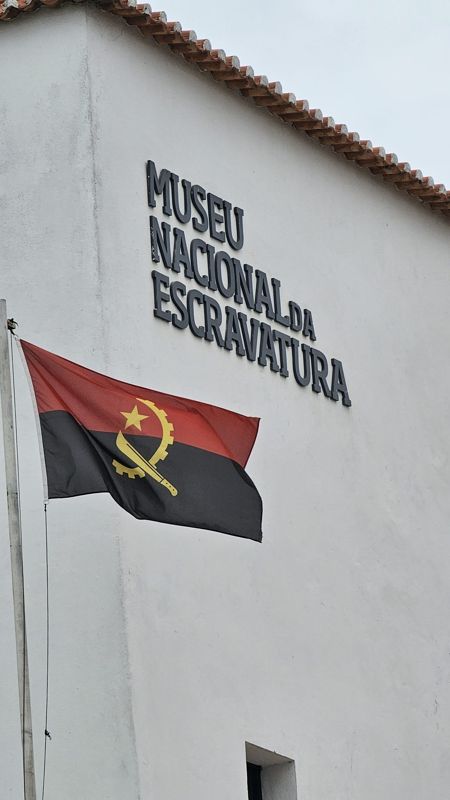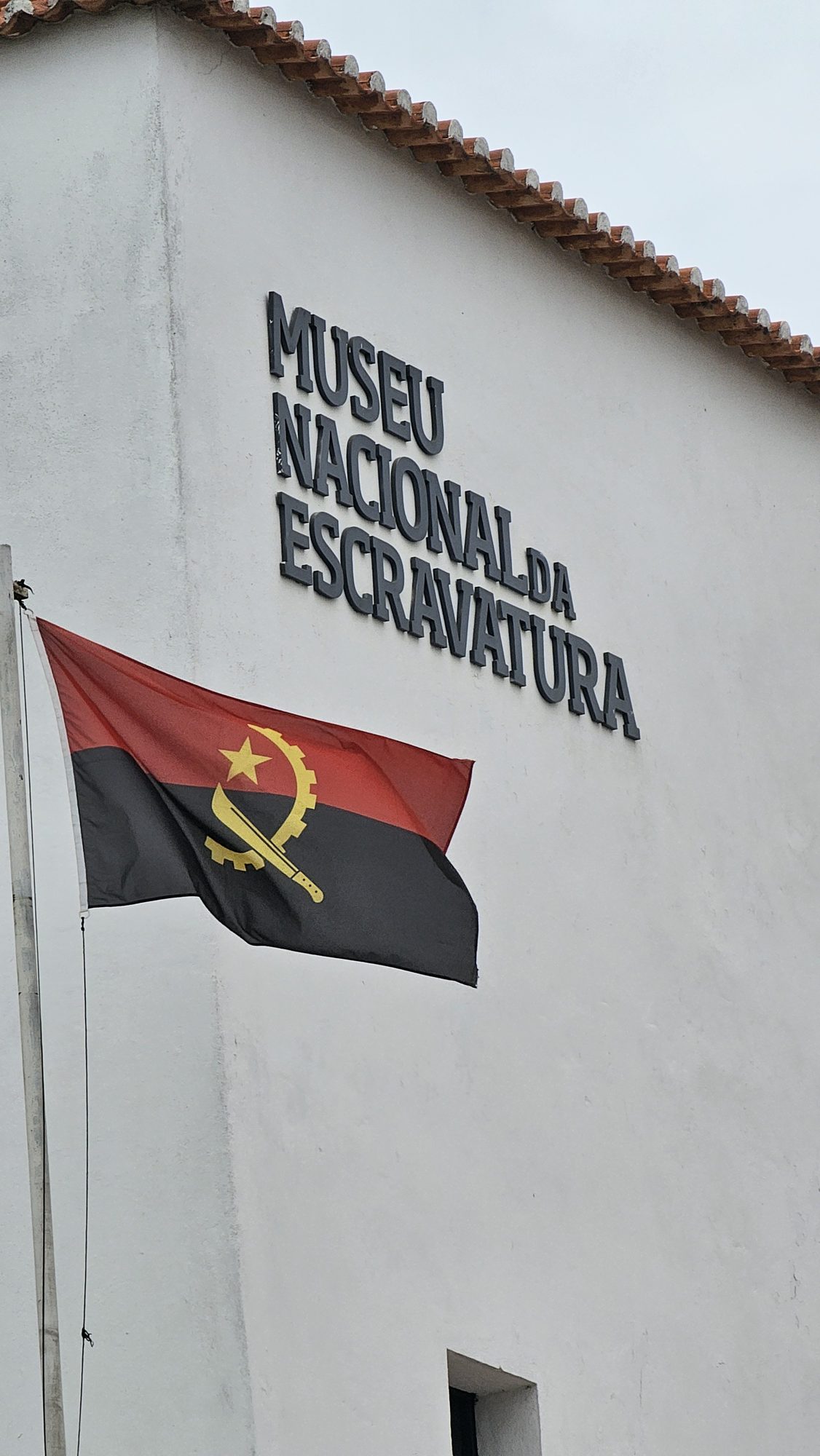
A small white chapel and house on a bluff above the Atlantic, where a trade that carried millions of people from this coast is remembered.
The museum stands on the former estate of Álvaro de Carvalho Matoso, an 18th-century slave trader, on the cliffs at Morro da Cruz.
Captives were baptised in the little Capela da Casa Grande before being taken down to the ships. The chapel door still carries the family's coat of arms.
The museum opened in 1977. Its documents and maps trace a trade that carried several million people from this coast, mostly to Brazil, alongside the objects used to hold them.
The collection is modest, but the setting is powerful. Restoration was funded in late 2024, so check that it is open before you go.
An hour at the museum, then on down the coast.
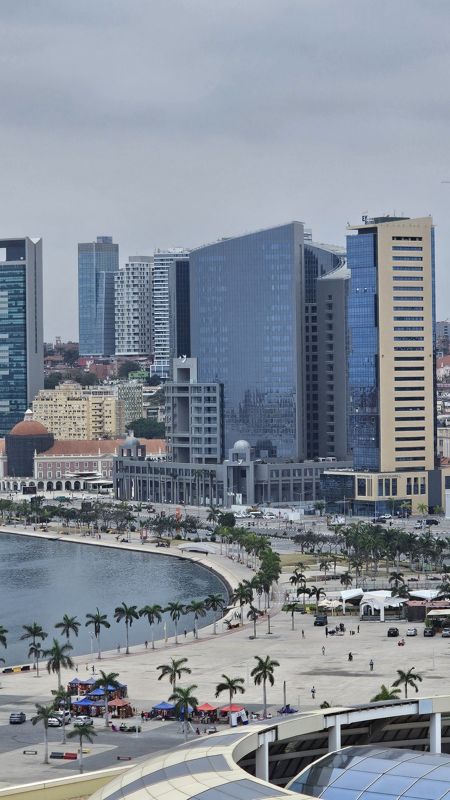
Drive south past Samba and the Corimba shore.
Pull in by the white chapel above the ocean.
The small chapel where captives were baptised.
Documents, maps and the instruments of the trade.
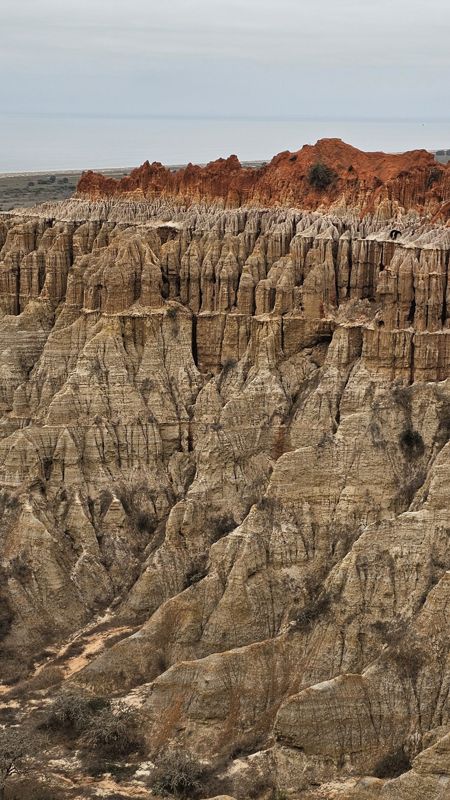
Boats leave from the jetties just below; or drive on to the Miradouro da Lua.
.jpg?width=1280)


By car or taxi, about 25 km south on the coast road; allow for traffic leaving the city.
Hours are irregular during restoration; ask locally or at your hotel.
Photographs from Wikimedia Commons and Pexels under their licences, and our own.